Art competitions have long been a showcase of human skill, creativity, and emotion. But what happens when the winning piece isn’t painted by hand at all, but generated through artificial intelligence?
That question became more than hypothetical when an AI-created work claimed first place at the Colorado State Fair Fine Arts Competition, sparking a fierce debate in creative circles.
The Winning Work That Stirred the Crowd
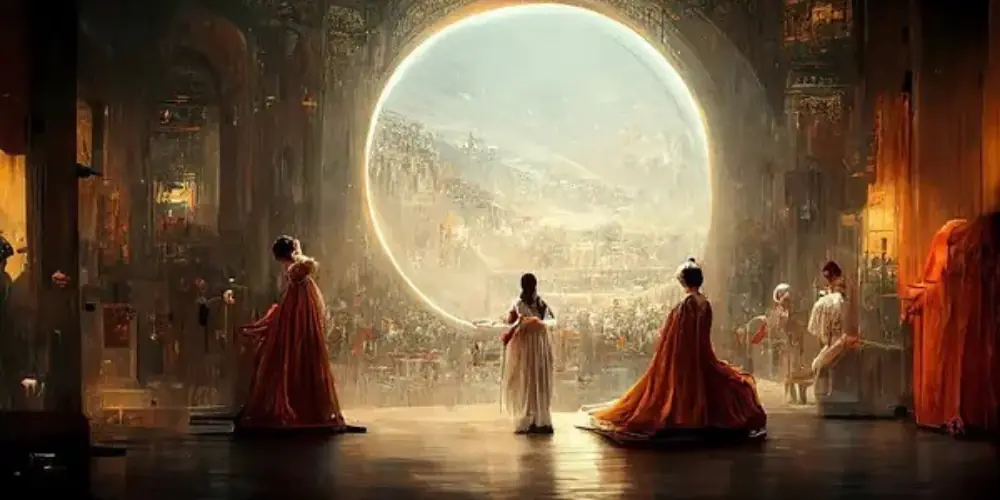
In August, a digital piece titled “Théâtre D’opéra Spatial” won the emerging artist division’s “digital arts/digitally-manipulated photography” category. This artwork, with its blend of Renaissance-inspired elegance and steampunk influences, was produced using Midjourney, an AI system that generates images from text prompts.
The competition guidelines define digital art as work using digital technology as part of the creative or presentation process. This left the AI-generated entry eligible to compete, but many artists questioned whether it should have been allowed in the first place.
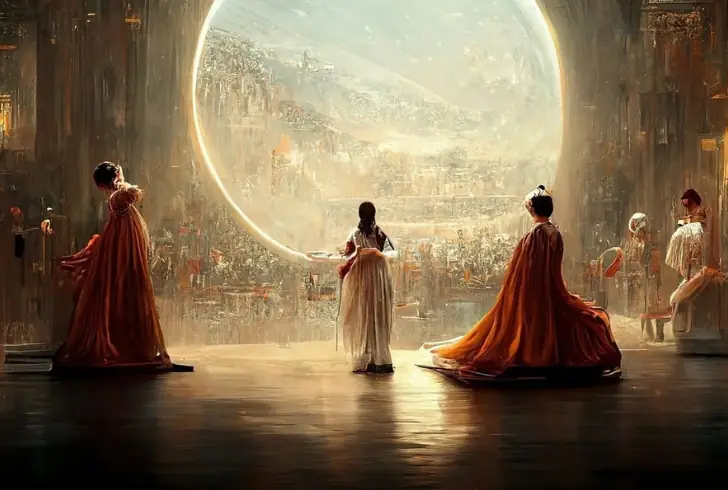
Only 11 entrants submitted a total of 18 pieces in the category, but this one image — with its surreal lighting, ornate costumes, and space-age elements — quickly became the center of conversation far beyond the state fair.
How AI Image Generators Work
Midjourney is part of a growing list of AI image generators, alongside tools such as OpenAI’s DALL·E 2 and Google’s Imagen. These platforms create images by processing descriptive text prompts, applying machine learning models trained on vast datasets.
Access varies across systems. Midjourney operates through Discord and is open to the public. DALL·E 2 currently requires invitations, while Imagen remains limited to internal testing at Google.
The ease of producing detailed images has fueled both excitement and concern. Supporters view AI as a new tool in the creative toolkit, while critics question whether machine-generated work can truly be called art.
Behind the Scenes of the Winning Piece
Creating “Théâtre D’opéra Spatial” was far from a one-click process. The final result emerged from over 80 hours of experimentation. The creator refined prompts repeatedly, seeking a fusion of Victorian dress styles with futuristic elements. Small adjustments to color, lighting, and composition shaped the final vision.
The process produced roughly 900 variations before three final candidates were chosen. Even then, human input was far from absent — Photoshop adjustments fixed rendering issues, while additional software enhanced image resolution before printing the work on canvas.
Reactions From the Art World
Once news of the win spread online, reactions were intense. Some compared the situation to allowing robots in athletic competitions. Others dismissed AI-generated work as effortless, reducing art to “pressing a few buttons.”
On the other side, some judges and artists viewed the work differently. The judging panel, unaware the piece had been generated by AI during the evaluation, still described it as “beautiful” and acknowledged the creative decisions that went into its production. For them, AI may open opportunities for individuals who do not work within traditional artistic methods.
Why the Debate Matters
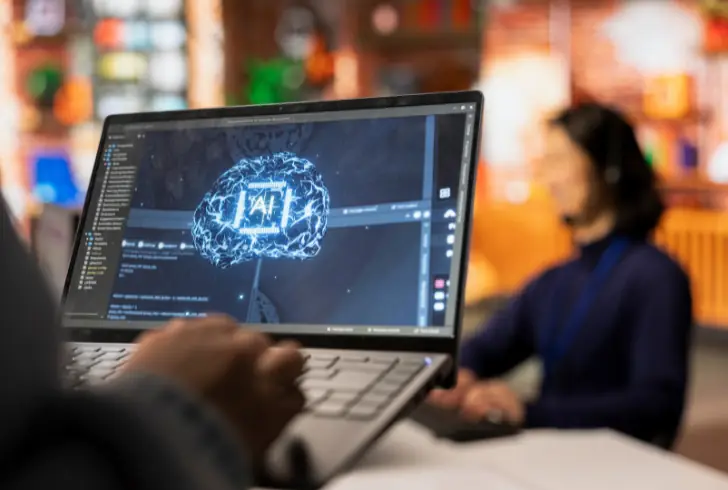
The rise of AI in creative fields is challenging long-held ideas about artistry and authorship. Many still define art as the product of human skill and emotion. This raises a question: should machine-assisted work compete in the same categories as traditional art? Others place more value on concept, vision, and curation. For them, AI is a valid, though unconventional, creative tool.
This debate reaches beyond visual art. Music, literature, and film now show similar blends of human creativity and algorithmic input. The discussion is only starting, and competitions like this are bringing it into the spotlight.
The Future of Art and AI
The controversy surrounding “Théâtre D’opéra Spatial” highlights a pivotal moment in modern creativity. Artificial intelligence is no longer a distant concept but an active participant in cultural expression. Whether it is embraced as a legitimate medium or resisted as an intrusion, AI is changing how art is conceived, created, and judged.
As technology advances, the question may shift from whether AI can make art to how society defines the boundaries between human and machine creativity — and whether those boundaries should exist at all.