Artificial intelligence has revolutionized how art is created, offering tools that allow anyone to craft stunning visuals, music, and written pieces with minimal effort. AI art generators have become an essential part of this transformation, blending creativity with technology to produce unique and dynamic works of art. Understanding how AI art generators work opens up new possibilities for creators of all kinds, whether for personal projects or professional use.
What Are AI Art Generators?
AI art generators use advanced algorithms to create, modify, or enhance digital artwork. These tools analyze vast datasets of existing art, identify patterns, and produce outputs that align with user-defined prompts. While many associate AI-generated art with images, these tools are also capable of creating music, videos, and text-based content.
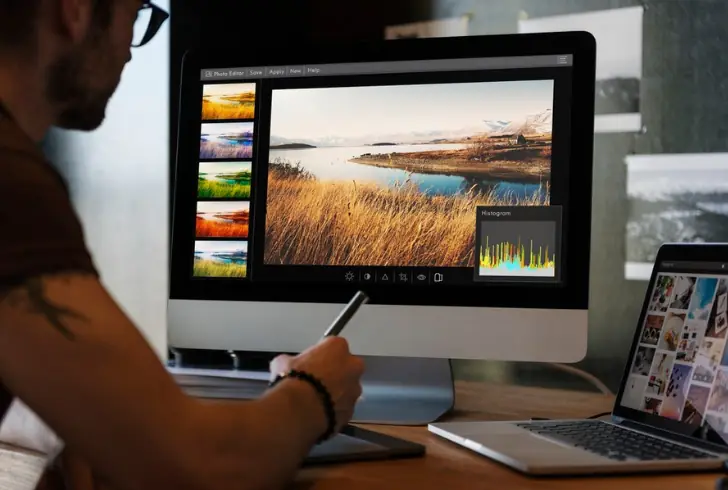
For example, if you request a “sunset in watercolor style,” the generator will analyze similar images in its dataset, apply the characteristics of watercolor techniques, and deliver a unique result. This process combines mathematical precision with creative expression, bridging the gap between technology and artistry.
A Brief History of AI in Art
The journey of blending technology and art dates back to the early 20th century, during movements like Dadaism and Surrealism. These periods emphasized chance and unpredictability, themes now mirrored in AI-generated creations. By the 1960s, artists began experimenting with engineering techniques to create new forms of expression. Today, AI tools represent the next phase in this evolution, making art accessible to anyone with a digital device.
How AI Art Generators Work
At the core of AI art generation are complex algorithms trained on extensive datasets. These tools rely on deep learning and pattern recognition to produce outputs that mimic artistic styles or genres. Here’s a step-by-step look at the process:
1. Input Prompt – The user provides a detailed prompt specifying the desired style, subject, or medium. For instance, a request might be: “a futuristic cityscape in a neon color palette.”
2. Data Analysis – The generator scans its dataset for examples related to the prompt. It identifies key patterns, textures, and stylistic elements.
3. Image Creation – Based on the analysis, the tool synthesizes a new image or video. This output is a blend of data-driven logic and creative interpretation.
4. Refinement – Users can tweak the generated piece by refining the prompt or applying additional filters to enhance specific elements like lighting or texture.
Popular AI Art Generators
Numerous AI art generators cater to different creative needs, each offering unique features. Here’s a closer look at some of the most widely used platforms:
1. Midjourney
Known for its artistic and painterly outputs, this tool allows users to upload images and refine them with prompts. It’s popular for creating visually rich and imaginative designs.
2. DALL-E
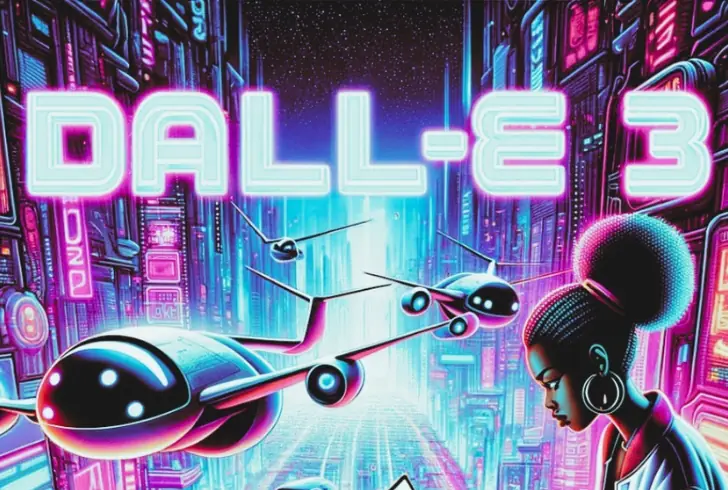
Developed by OpenAI, DALL-E focuses on producing photo-realistic images from detailed text descriptions. Its outputs often mimic photography and are ideal for those seeking lifelike visuals.
3. Jasper Art
Designed with professionals in mind, Jasper Art combines image generation with text creation, making it a versatile choice for marketing and design teams.
Creating Your Own AI Art
Getting started with AI art is easier than ever, thanks to user-friendly tools and accessible platforms. Here’s how to begin your journey:
1. Select an AI Art Generator
Choose a tool based on the type of art you want to create. Beginners might prefer free or trial versions of platforms like Adobe Firefly or Canva’s AI Art Generator to explore their capabilities.
2. Define Your Vision
Whether you’re crafting a surreal landscape or a minimalist logo, having a clear concept is essential. This clarity helps refine your prompts and achieve results that align with your expectations.
3. Craft a Precise Prompt
Effective prompts are key to generating accurate outputs. Include specific details like style, color palette, and composition. For example, “an abstract painting with vibrant blue and orange tones” provides clear guidance for the AI.
4. Experiment and Refine
AI art creation often involves trial and error. Experiment with different prompts, tweak details, and use iterative processes to refine your outputs. Tools like Midjourney allow users to modify their prompts easily, encouraging creative exploration.
5. Finalize and Save
Once satisfied with the result, download the artwork in your preferred format. Many platforms also offer advanced editing options for post-processing enhancements.
Ethical Considerations in AI Art
While AI-generated art offers incredible possibilities, it raises ethical concerns. Many datasets include works from human artists, sparking debates over originality and copyright. Can a piece created from existing data truly be considered original? Additionally, some creators question whether using AI diminishes the value of traditional art forms.
As AI art continues to evolve, addressing these ethical dilemmas will be crucial to fostering a fair and inclusive creative landscape.
The Future of AI in Art
AI art generators are reshaping creativity, making it easier for professionals and hobbyists to experiment with new ideas. While challenges like copyright issues and creative limitations remain, the potential for innovation is boundless. As technology advances, these tools will likely become even more accessible and versatile, further integrating into our artistic practices.
Understanding how AI art generators work unlocks the potential for anyone to explore their creative side. These tools offer a fusion of technology and artistry, enabling users to produce stunning visuals with ease. Whether for personal inspiration or professional projects, AI art generators represent a new frontier in digital creativity.