Step into most galleries today, and you’ll find more than a cluster of paintings and the occasional cheese cube. Behind the calm exterior is a tightly wound engine of planning, promotion, mentorship, and negotiation. The gallery’s surface is pristine for a reason. Every visible detail has been managed behind the scenes by people juggling exhibition schedules, artist egos, collectors’ whims, and freight insurance in equal measure. It’s a balancing act few outside the industry fully grasp.
The Mechanics Beneath the Aesthetic
What most people see is the end product: a finished show, maybe some red dots next to artworks. But the runway leading up to an exhibition can stretch months or even years. Artists need studio visits, concept development, production support, and the kind of back-and-forth that shapes not just what gets shown, but how it’s framed—both literally and intellectually.

Meanwhile, the gallery staff is wrangling with shipping delays, writing press material, negotiating with institutions, and updating price lists for collectors who ask questions like, “What’s her market like in Basel?” The work is granular. Who’s stretching the canvas? Who’s covering VAT? Which museum loan fell through, and why?
How Artists and Galleries Actually Collaborate
Representation is less a business contract than a shared oxygen line. For artists in early or mid-career stages, a gallery might front production costs, pitch their work to curators, or connect them with writers and photographers to build a visual record. The strongest relationships feel like a joint studio: curators challenge the artist’s direction, not just sell the work; dealers advocate for museum placements, not just buyers.
It’s also where things get political. Whose work gets space on the main wall? Which artists are consistently invited to art fairs? These choices shape not just the market but also the long-term reputation of an artist. And they’re often influenced by factors far outside the studio.
Collectors Don’t Just Wander In
If you think collectors stumble in and point to something they like, you’ve watched too many movies. Many are seasoned players, and their questions reflect that. “Is this the first in a new series?” “Has this been shown in an institutional setting?” “Is it archival pigment or C-type?” Galleries need to anticipate these questions—and prep their artists accordingly.
Collectors want to build collections that speak to an idea, a moment, or an identity. Good galleries act as curators, not just vendors. They advise on acquisitions, flag trends worth watching, and—if they’re thinking long-term—help collectors place works into institutional collections where value and cultural capital rise in tandem.

Big Fish, Small Pond, or Something Else?
There’s no single model. The major players—think Pace or Hauser & Wirth—function like hybrid museums, with publishing arms and internal legal departments. Their influence stretches across continents and auction houses. Mid-sized galleries work more regionally, often taking bigger curatorial risks and nurturing artists who haven’t hit the international circuit—yet.
Then there are the artist-run spaces and project rooms that operate on tight budgets and pure obsession. These are the labs. If the mega-galleries are the banks of the art world, small independents are the jazz bars—imperfect, but often unforgettable.
The Physical Encounter Still Counts
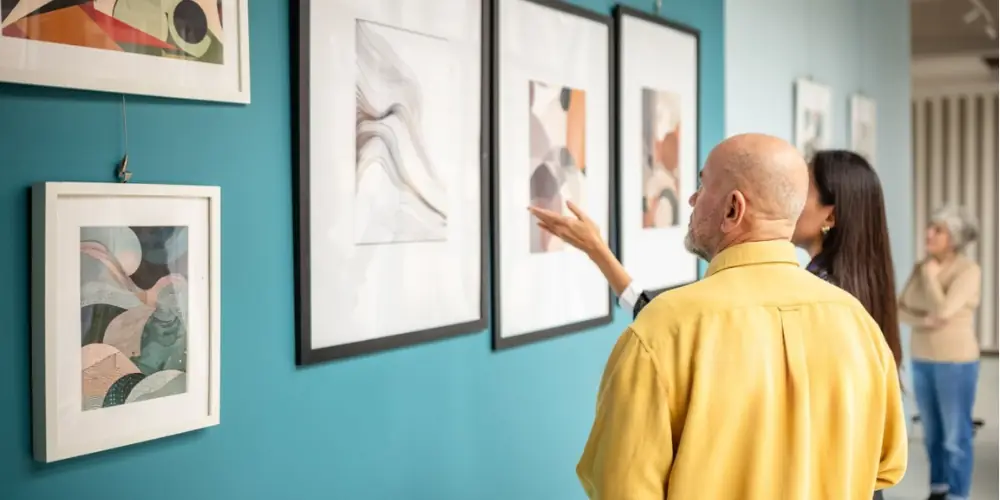
Even with virtual viewing rooms and online sales, walking into a gallery still holds power. You see scale, texture, color shifts—the things that digital renders flatten. You also get something else: a moment to engage with an idea without a thousand distractions clawing at your screen.
Most galleries want you to walk in, ask questions, and stay a while. Not because you’ll necessarily buy something—but because those conversations, those moments of looking and wondering, are part of how art lives. And part of how it lasts.